Program
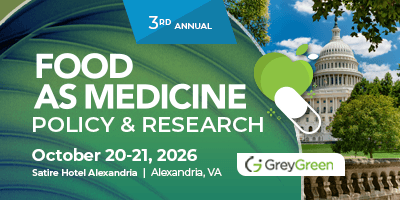
Food as Medicine Policy & Research Summit
From Research to Reform: Nourishing a Healthier Nation
10/20/2026 - October 21, 2026 ALL TIMES EDT
The Food as Medicine Policy & Research Summit is a purpose-driven convening designed to accelerate the integration of evidence-based nutrition into healthcare and public policy to improve access to healthy foods, patient outcomes, and health economics. At its core, the Summit focuses on how food-based interventions—such as medically tailored meals, produce prescription programs, and other nutrition strategies—can prevent and manage chronic disease, influence policy, and reshape health systems for better population health. Over two days, attendees will explore key themes including the latest federal and state policy developments, cutting-edge research insights, scalable program models, and strategies for cross-sector collaboration that can move Food as Medicine from concept to practice. Participants can expect to engage deeply with leaders from government, healthcare, community organizations, research institutions, and industry, gaining actionable takeaways on implementation, evaluation, and advocacy. Through multi-stakeholder panels, case studies, and dynamic networking, the program is designed to foster dialogue, ignite partnerships, and equip attendees with the tools to accelerate the adoption and outcomes of Food as Medicine programs.
Coverage will include, but is not limited to:
- Federal and state Food as Medicine policy developments and regulatory shifts
- Medicaid and Medicare innovation, waivers, and reimbursement pathways
- Evidence generation, outcomes measurement, and ROI validation
- Medically tailored meals and produce prescription program design and scale
- Payer, provider, and employer adoption models within value-based care
- Public-private partnerships across healthcare, community organizations, and food systems
- Health equity strategies to expand access and address nutrition insecurity
Coverage will include, but is not limited to:
- Federal and state Food as Medicine policy developments and regulatory shifts
- Medicaid and Medicare innovation, waivers, and reimbursement pathways
- Evidence generation, outcomes measurement, and ROI validation
- Medically tailored meals and produce prescription program design and scale
- Payer, provider, and employer adoption models within value-based care
- Public-private partnerships across healthcare, community organizations, and food systems
- Health equity strategies to expand access and address nutrition insecurity
Tuesday, October 20
Registration Open & Networking Breakfast
THE FOOD, NUTRITION & HEALTH LANDSCAPE
Chairperson's Welcome Remarks
Panel Moderator:
PANEL DISCUSSION:
Where Food as Medicine Stands Today—And What Happens Next
Panelists:
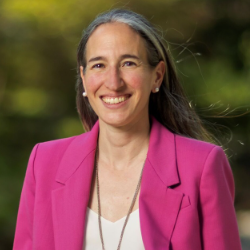
KEYNOTE PRESENTATION: FAM's Missing Metric: Reflections on Management and Measurement

From the world of business comes the adage "we manage what we measure." A corollary is that if we are attempting to manage it, we should be measuring the changes we purport to be making. If food-as-medicine interventions are to improve health outcomes, they will do so by improving diet quality; yet, change in objectively quantified diet quality is almost never measured. Food-as-medicine programming that does not measure change in diet quality is analogous to antihypertension programming that fails to measure blood pressure. The case will be made that diet quality is FAM's missing metric. Implications for policy, research, and practice will be explored.
Coffee Break with Exhibit Viewing (Sponsorship Opportunity Available)
ADVANCING FOOD AS MEDICINE
KEYNOTE PRESENTATION: The NIH, Food as Medicine & Nutrition
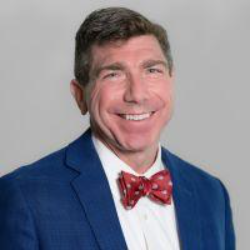
As national attention around nutrition, chronic disease, and preventive health continues to grow, the role of research in shaping food as medicine approaches is becoming increasingly important. This presentation will explore how the NIH is supporting nutrition research and broader efforts related to food as medicine, including emerging areas of focus, cross-sector collaboration, and the evolving role of nutrition within healthcare, public health, and community-based initiatives.
Sponsored Presentation (Opportunity Available)
Panel Moderator:
PANEL DISCUSSION:
Building the Food as Medicine Ecosystem
Panelists:
Networking Luncheon (Sponsorship Opportunity Available)
IMPROVING HEALTH THROUGH FOOD & NUTRITION
Fireside Chat:
Food as Medicine in West Virginia & Make WV Healthy Act
CASE STUDY PRESENTATION: Ultra-Processed Foods, Reward Pathways, and Chronic Disease: Translating Neuroscience into Scalable Food as Medicine Interventions
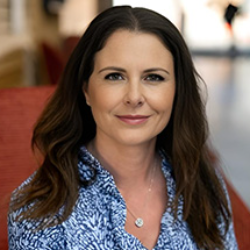
Ultra‑processed foods activate reward‑learning circuits in ways that drive compulsive intake, metabolic disruption, and chronic disease risk, yet these neurobiological mechanisms remain largely absent from current food-as-medicine models. This session will translate cutting‑edge neuroscience into practical design principles for medically tailored meals, produce prescriptions, and value‑based care strategies that can reduce dependence on ultra‑processed diets and improve patient outcomes at scale.
Refreshment Break with Exhibit Viewing (Sponsorship Opportunity Available)
SCALING FOOD AS MEDICINE
CASE STUDY PRESENTATION: From Cafeterias to Community: Leveraging Local Procurement to Scale Food as Medicine in Rural Health Systems
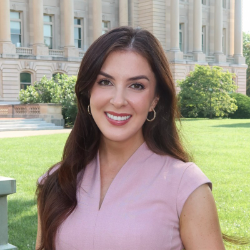
This session will highlight how a rural health system is integrating local food procurement into clinical and community food-as-medicine strategies, including hospital cafeterias, CSA produce boxes, and onsite farmers' markets. By partnering with regional producers and distributors, this model strengthens local agriculture while improving access to nutritious food for patients, employees, and communities. The session will explore operational, financial, and policy considerations for scaling similar approaches nationwide.
Panel Moderator:
PANEL DISCUSSION:
Scaling Food as Medicine—From Pilots to Widespread Adoption
Panelists:
Close of Day
Wednesday, October 21
Registration Open & Networking Breakfast
TRANSFORMING THE HEALTH OF THE NATION THROUGH FOOD
Chairperson's Remarks
Martin Tull, Chief Impact Officer, American College of Lifestyle Medicine , Chief Impact Officer , American College of Lifestyle Medicine
Panel Moderator:
PANEL DISCUSSION:
Federal Food for Health Activities
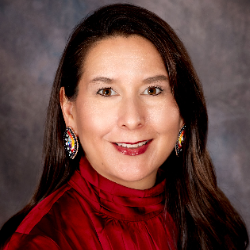
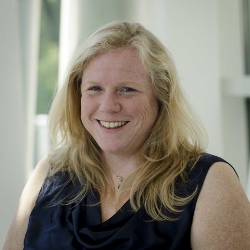
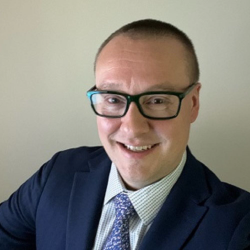
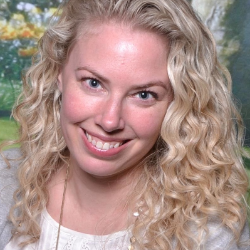
Panelists:

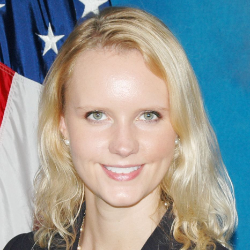
Sponsored Presentation (Opportunity Available)
Coffee Break with Exhibit Viewing (Sponsorship Opportunity Available)
CRITICAL CASE STUDIES & THE FUTURE
CASE STUDY PRESENTATION: Food as Medicine Starts Early: The Fresh-Fruit-and-Vegetable Program Model for Prevention
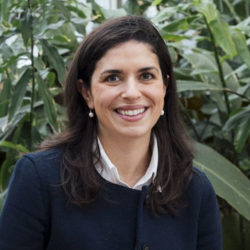
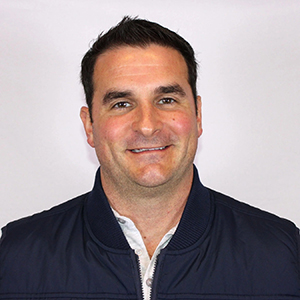
This session examines the USDA Fresh Fruit and Vegetable Program (FFVP) as a scalable Food as Medicine model that reaches children during critical developmental years. By pairing daily produce access with food education, culinary engagement, and cross-sector collaboration, FFVP offers a prevention-focused approach that builds dietary habits before disease onset. Through applied case studies, the panel will explore how integrating access and education increases consumption, strengthens health equity, and aligns with broader Food as Medicine goals.
CASE STUDY PRESENTATION: From Practice to Policy: Scaling Food as Medicine through Community Health Centers
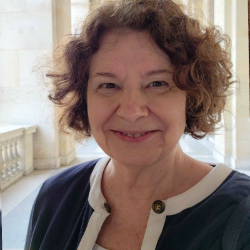
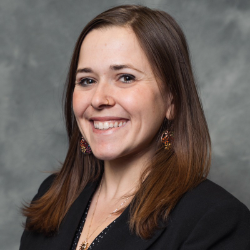
Community Health Centers (CHCs) are at the forefront of implementing food-as-medicine interventions, including produce prescriptions, medically tailored meals, and nutrition counseling to address nutrition security and cardiometabolic health. Drawing on findings from a national qualitative assessment of over 100 CHCs and primary care associations across 37 states, this session examines how food-based interventions are being integrated into healthcare delivery and the policy and financing structures needed to sustain them.
Panel Moderator:
PANEL DISCUSSION:
What Must Happen Next for Food as Medicine
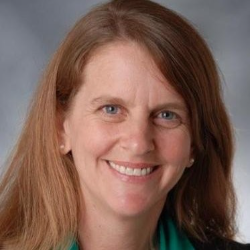
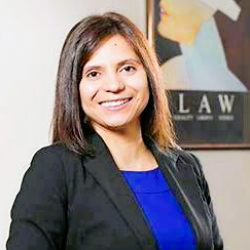
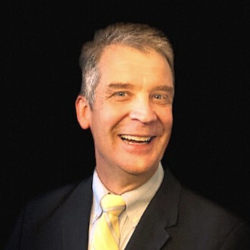
Panelists:

Chairperson's Closing Remarks
Martin Tull, Chief Impact Officer, American College of Lifestyle Medicine , Chief Impact Officer , American College of Lifestyle Medicine
Close of Conference
For more details on the conference, please contact:
Jason Green
Senior Conference Director
Cambridge Healthtech Institute
Email: jgreen@cambridgeinnovationinstitute.com
For sponsorship information, please contact:
Phillip Zakim-Yacouby
Senior Business Development Manager
Cambridge Healthtech Institute
Phone: (+1) 781-247-1815
#FAMpolicy